
Investigation Process
mahewa creates a series of online and on-site encounters to collectively and individually focus on projects that push research boundaries while affirming the potentialities of interdisciplinarity.
It offers a space for sharing and tutoring; a free space to try the “impossible” and feel brave enough to make mistakes.
It aims to go beyond institutional infrastructure, helping projects come to life and grow, offering support in text-making, thematic brainstorming, and space-creation. It organizes national and international conversations where emerging artists and creators-researchers of all ages and nationalities share the state of their projects freely, and it will be a debate to push forward on the blockages or doubts raised.
It offers techniques to deal with blockages through experimental academic and creative methodologies.
mahewa, provides content editing support for academic and non-academic, for media, artistic, cinematic, and social science projects. It provides consulting in research making in social sciences and the arts.
It supports investigative projects involving audiovisual layouts.
mahewa aiming to debate and challenge powers and the status quo offers:
- Interview multimodalities techniques
- Arts and Cultural Anthropology investigation
- Social Science Fieldwork-based Research Projects Education
- Critical Art research based text writing, conferences and certification programs.
- Qualitative Ethnographic practices and methodologies to adapt into project making
- Technical methodologies in cinema and photographic making, visual storytelling, audio narration
- Participant Observation and Observant Participation Field methodologies
- State of the art and literature in investigation, visuality and performance
- Decolonial, Postcolonial theories and practices on the Field
- Supports Autoethnography and Art practice
- Sensory Ethnography
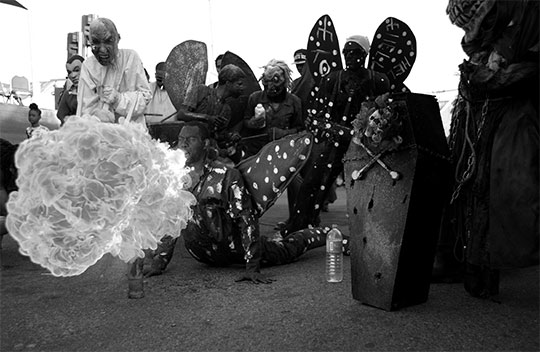
There is a collusion between the practices of spectacle and the experience of fieldwork. The anthropologist’s work in the field creates a performance, in terms of shaping and forming an ensemble of relations, of communication and interactions.
Paraphrased from Müller Le terrain: un théâtre anthropologique 2013
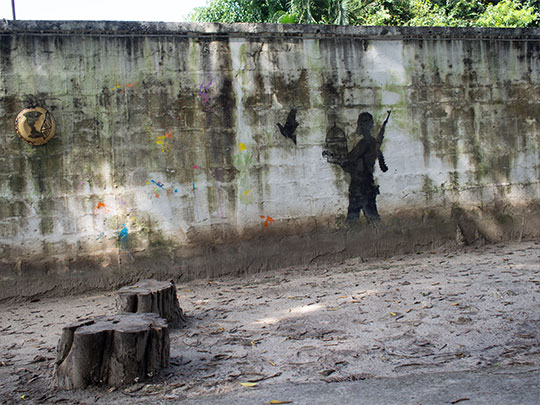
The fieldwork is an exercise in reciprocity where the researcher is not collecting data but is creating them through collaboration.
Paraphrased from Clifford Fieldwork, Reciprocity, and the Making of Ethnographic Texts, 1980
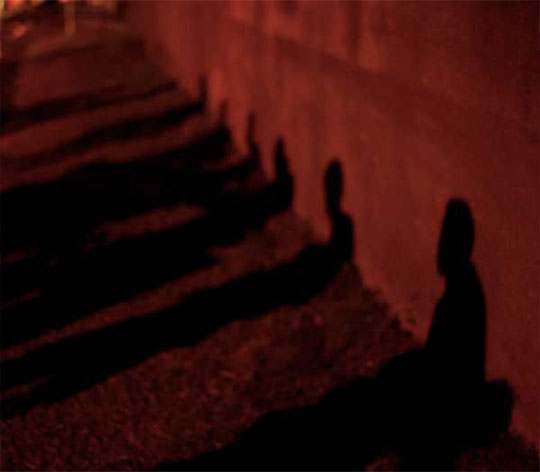
The experience of participant observation is described as being “in the flesh” where relational reciprocity and knowledge are achieved while doing.
Paraphrased from Guber La etnografia. Método, campo y reflexividad 2001
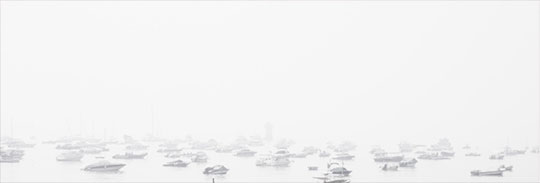
The ethnographer has to choose its framing and photo composition overcoming the pretentious ideal of omni-observation and neutrality
Paraphrased from Colleyn Le film et le texte 1990
Interested? Let’s talk about what we can build together.